
Clinical Insights

Behavioral Health Perspectives

Evidence-based insights on addiction recovery, case management, family intervention, and the realities of navigating complex behavioral health challenges. Written by licensed clinicians with real-world experience.

Modern therapy office with warm lighting and comfortable seating
Clinical Perspective

Diagnoses Have Become Weapons

The behavioral health field has developed a troubling relationship with diagnostic labels. What was designed as a clinical tool has become a social currency, traded, collected, and weaponized in ways that often impede rather than support recovery.

January 15, 202614 min

Professional notebook and coffee on a wooden desk
Case Management

Behavioral Health Case Management: Expert Guidance for Complex Care

Independent case management is one of the most underutilized resources in behavioral health. When complex addiction and mental health challenges are present, having a skilled clinical advocate who sits outside any single treatment program can be transformative.

January 28, 202611 min

Open notebook with pen on a desk
Family Guidance

How to Choose a Behavioral Health Consultant: A Family's Guide

When a family reaches the point of seeking a private behavioral health consultant, they are almost always in crisis. This guide covers what credentials actually matter, what questions to ask, and how to evaluate whether the person in front of you is genuinely qualified to help.

April 10, 202611 min

Family sitting together on a couch during a counseling session
Intervention

Family Intervention Services: When and How to Act

Effective interventions are far more nuanced than the dramatic confrontations portrayed in media. They combine clinical expertise, careful preparation, and deep understanding of family dynamics to create opportunities for change while preserving relationships.

February 19, 202612 min

Teenager in a counseling session with a professional
Clinical Perspectives

Adolescent Treatment Planning: Personalized Pathways to Recovery

Adolescent behavioral health treatment requires a fundamentally different approach than adult treatment. The developmental stage, family dynamics, and social context of adolescence create specific clinical considerations that generic treatment models routinely fail to address.

February 5, 202610 min
Two people walking together on a forest path
Recovery Support

Sober Companion vs. Case Manager: Understanding the Difference

A sober companion is present. A case manager is strategic. Both serve critical functions in the recovery ecosystem, but they address different problems. Understanding the distinction helps families make informed decisions about which level of support they actually need.

April 1, 20269 min
Comfortable modern living room with natural light
Companion Services

Companion Services: 24/7 Clinical Presence During Critical Transitions

The 72 hours following residential discharge are statistically the highest-risk window in the entire recovery journey. Having a licensed clinician present during that window is not a luxury, it is a clinical intervention.

April 1, 202610 min
Elegant modern living room with luxury furnishings
Family Guidance

Private Families and Behavioral Health: What Standard Care Misses

Resources do not protect against addiction or mental illness. In some ways, they amplify the risk, by removing natural consequences, enabling avoidance, and creating environments where problems can be hidden for years. Standard treatment models were not designed for these dynamics.

April 10, 202610 min
A supportive consultation setting representing a new approach to recovery
Family Guidance

My Child Has Been to Three Rehabs and Nothing Worked: What to Do Differently

If your child has been through multiple programs and keeps relapsing, the problem is rarely motivation. It is usually a mismatch between clinical needs and program capabilities, combined with a lack of coordinated aftercare.

July 14, 202612 min
Professional coordination meeting in a modern office
Behavioral Health Infrastructure

What Does a Behavioral Health Case Manager Actually Do (And When Do You Need One)

An independent case manager is not a therapist, not a sober companion, and not an educational consultant. They are the strategic coordinator who ensures all the moving pieces of a complex case actually work together.

July 14, 202611 min
Professional consultation between two experts
Professional Referral

Independent Educational Consultant vs Therapeutic Consultant: Which Does Your Family Need

Educational consultants place students in schools. Therapeutic consultants place clients in treatment. The confusion between these roles costs families time and money when they hire the wrong one.

July 14, 202610 min
Decision-making framework for families
Family Guidance

How to Fire Your Treatment Team (And When You Should)

Families stay with ineffective treatment teams for the same reason people stay in bad relationships: fear of the unknown, sunk cost fallacy, and not knowing what better looks like.

July 14, 202611 min
Professional trust administration office
Trust Administration

Your Beneficiary Just Tested Positive: A Trustee's Decision Framework

When a trustee learns a beneficiary is actively using substances, the immediate question is not clinical. It is fiduciary: what are my obligations, what are my options, and how do I document this properly.

July 14, 202612 min
Family office operations and planning
Family Office Operations

The Family Office Behavioral Health Playbook: Building a Response Protocol Before You Need One

The worst time to build a crisis response protocol is during a crisis. Family offices that have vetted provider relationships and escalation frameworks in place respond faster and more effectively.

July 14, 202613 min
Wealth advisor in a client meeting
Wealth Advisory

When Your Client's Child Is in Crisis: A Guide for Wealth Advisors

Wealth advisors are often the first call a family makes during a behavioral health crisis. Not because it is your job, but because you have earned their trust. Knowing how to respond appropriately protects both the client and the relationship.

July 14, 202610 min
Professional therapeutic transport team
Behavioral Health Infrastructure

Therapeutic Transport: What It Is, When It's Necessary, and How to Choose a Provider

Therapeutic transport is one of the most misunderstood services in behavioral health. When done correctly, it is a clinically integrated intervention that creates the conditions for treatment engagement.

July 14, 202613 min
Therapist office representing outpatient limitations
Professional Referral

Why Your Therapist Can't Do This Alone: When Outpatient Care Isn't Enough

A fifty-minute weekly session cannot address what is happening the other 167 hours. When behaviors are escalating between appointments, it is time to consider whether outpatient therapy is the right level of care.

July 14, 202611 min
Confidential family office meeting
Family Office Operations

Protecting Family Reputation During a Behavioral Health Crisis

Behavioral health crises create reputational exposure through social media, legal records, and treatment facility staff. Managing that exposure requires coordination between clinical teams and communications professionals.

July 14, 202611 min
Estate planning documents on a desk
Trust Administration

Trust Language That Actually Works: Behavioral Health Provisions That Support Recovery

Sobriety milestones in trust documents are binary and gameable. Engagement-based provisions that involve clinical team reporting create better outcomes than pass-fail drug testing clauses.

July 14, 202612 min
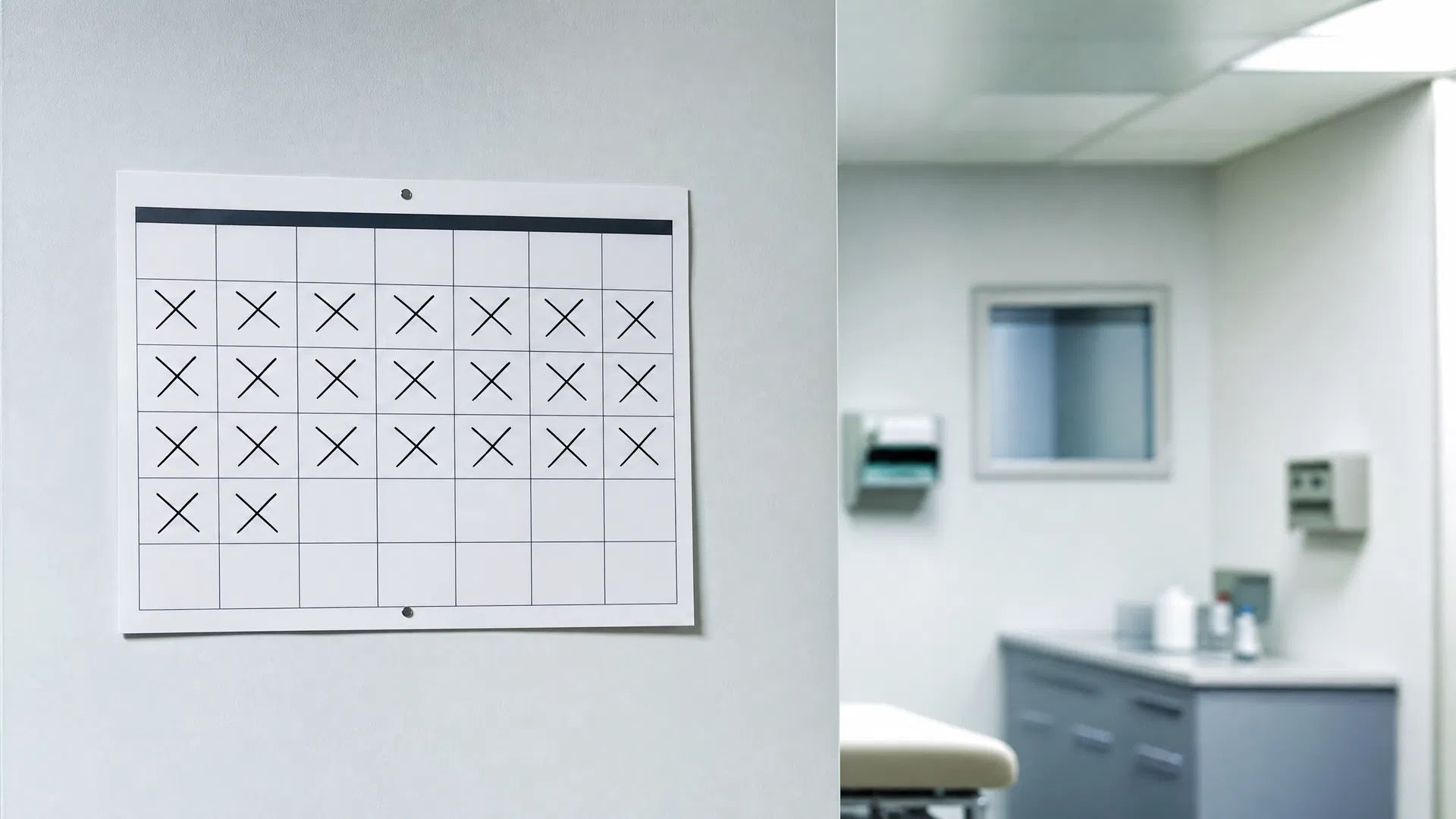
Calendar representing treatment duration
Family Guidance

The 30-Day Myth: Why Short-Term Treatment Fails and What Actually Works

The 30-day treatment model was created by insurance companies, not clinicians. Research consistently shows that complex behavioral health cases require 6 to 18 months of coordinated care to achieve sustainable outcomes.

July 14, 202612 min
Clinical assessment setting
Behavioral Health Infrastructure

Dual Diagnosis in Affluent Young Adults: Why Standard Programs Miss It

Affluence provides the resources to self-medicate effectively, maintain a high-functioning presentation, and avoid the consequences that typically force treatment. This makes dual diagnosis harder to identify and harder to treat.

July 14, 202611 min
Transition planning and aftercare coordination
Family Guidance

What Happens After Residential Treatment: The Transition Nobody Plans For

Most treatment programs spend 95 percent of their energy on what happens inside their walls and 5 percent on what happens after discharge. This ratio should be reversed.

July 14, 202612 min
Due diligence evaluation process
Family Guidance

How to Evaluate a Treatment Program: A Due Diligence Guide for Families Spending Six Figures

Luxury amenities do not correlate with clinical outcomes. Families spending significant resources on treatment deserve a framework for evaluating whether a program can actually deliver what it promises.

July 14, 202613 min
Professional roles in behavioral health support
Behavioral Health Infrastructure

Sober Companions vs Recovery Coaches vs Case Managers: Understanding the Roles

The behavioral health field has a terminology problem. Sober companions, recovery coaches, and case managers all provide support, but their scope, credentials, and day-to-day responsibilities are fundamentally different.

July 14, 202611 min
Complex behavioral health challenges
Crisis Navigation

When the Problem Isn't Drugs: Behavioral Health Crises That Don't Fit Neat Categories

Not every behavioral health crisis involves substances. Failure to launch, technology addiction, disordered eating, and self-harm require different frameworks than traditional addiction treatment.

July 14, 202612 min
Confidential document handling
Family Office Operations

HIPAA, Family Offices, and Behavioral Health: What You Can and Cannot Share

Most family office staff are terrified of HIPAA violations. The reality is more nuanced than most people think, and understanding the actual rules creates space for effective care coordination.

July 14, 202611 min
Financial advisor navigating difficult conversation
Wealth Advisory

The Advisor's Dilemma: When You Suspect Your Client's Heir Has a Substance Problem

Financial advisors often notice the signs first: erratic spending, missed meetings, new associates, declining performance. The question is whether and how to raise the concern without damaging the relationship.

July 14, 202611 min
Navigating the treatment referral landscape
Professional Referral

Why Families Keep Getting Referred to the Wrong Level of Care

The behavioral health referral system has structural conflicts of interest. Programs accept clients they cannot serve because of census pressure. Referral sources recommend programs that pay them. Independent guidance changes this dynamic.

July 14, 202611 min
Young adult at a crossroads representing failure to launch
Family Guidance

Failure to Launch Syndrome: Signs, Causes, and What Parents Can Do

Failure to launch is not laziness. It is a complex behavioral pattern with identifiable clinical roots. Learn the signs, understand the causes, and discover what actually works when traditional approaches have failed.

July 25, 202611 min
Parent navigating mental health treatment refusal
Treatment Refusal

My Adult Son Has a Mental Illness and Won’t Get Help—What Can I Do?

When an adult child refuses mental health treatment, families feel paralyzed. Here is a structured framework for navigating refusal, assessing safety, and exploring options that respect autonomy while protecting your family.

July 25, 202610 min
Supporting someone who refuses mental health treatment
Treatment Refusal

How to Help Someone With Mental Illness Who Refuses Treatment

You cannot force insight, but you can strategically shift the environment to encourage engagement. Learn the clinical approaches that work when someone refuses help.

July 25, 202610 min
Clinical guidance for psychosis in young adults
Clinical Guidance

Psychosis in Young Adults: A Parent’s Guide to the First Crisis

First-episode psychosis in a young adult is terrifying. This guide covers the immediate steps, what to expect from the medical system, and how to build a stabilization plan that prevents cycling.

July 25, 202612 min
Understanding lack of insight in mental illness
Clinical Guidance

When an Adult Child Lacks Insight Into Their Mental Illness

Anosognosia is not denial—it is a neurological inability to recognize one’s own illness. Learn how to work with this reality rather than against it.

July 25, 202610 min
Private mental health case management services
Our Services

Private Mental-Health Case Management: When Families Need It

Private case management exists because the mental health system was not designed for complex, multi-provider, long-duration cases. Learn when it is appropriate and what it actually involves.

July 25, 202610 min
Mental health companion providing support
Our Services

What Does a Mental-Health Companion Do?

A mental health companion is not a babysitter. They are clinically trained professionals who provide real-time support, risk mitigation, and structured guidance during critical transitions.

July 25, 20269 min
24/7 mental health support for adult children
Our Services

When Does an Adult Child Need 24/7 Mental-Health Support?

24/7 mental health support is not institutionalization. It is structured, in-home clinical care designed to stabilize, build skills, and create a path toward independence.

July 25, 202610 min
Breaking the cycle of repeated psychiatric hospitalizations
Clinical Guidance

Repeated Psychiatric Hospitalizations: What Families Can Do Differently

If your loved one has been hospitalized multiple times, the system is not working. Learn what families can do differently to break the cycle of crisis and stabilization.

July 25, 202610 min
Choosing a residential mental health program
Treatment Planning

How to Choose a Residential Mental-Health Program for a Young Adult

Not all residential programs are created equal. Learn the clinical, operational, and philosophical factors that determine whether a program will actually work for your young adult.

July 25, 202611 min
Options for parents of bipolar adult children who refuse treatment
Treatment Refusal

Bipolar Adult Child Refuses Treatment: Options for Parents

Bipolar disorder adds unique complexity to treatment refusal. Manic episodes create false confidence, and medication non-compliance is the norm. Here are the options families actually have.

July 25, 202610 min
Transitioning home after residential mental health treatment
Transitions

Returning Home After Residential Mental-Health Treatment

The first 90 days after residential treatment are when most relapses and crises occur. Learn how to structure the return home to protect gains and prevent regression.

July 25, 202611 min
Understanding mental health professional roles
Our Services

Mental-Health Case Manager vs. Therapist vs. Psychiatrist: Understanding the Roles

Families often confuse these roles or assume one provider can do everything. Understanding the distinct functions of case managers, therapists, and psychiatrists is essential for building an effective care team.

July 25, 20269 min
How wealth complicates mental health crises
Family Guidance

How Wealth Can Complicate an Adult Child’s Mental-Health Crisis

Wealth provides access to the best care but also creates unique barriers: enabling, golden handcuffs, privacy concerns, and treatment-resistant entitlement. Learn how to navigate these dynamics.

July 25, 202610 min
Private behavioral health support for high-profile families
Our Services

Private Behavioral-Health Support for High-Profile Families

High-profile families face unique challenges in behavioral health crises: media exposure, public scrutiny, and the need for absolute discretion. Learn how private support services protect both recovery and reputation.

July 25, 202610 min
Clinically informed aftercare planning for behavioral health recovery
Recovery Support

Clinically Informed Aftercare: Why the First 90 Days Matter Most

The first 90 days after residential treatment are the highest-risk period for relapse. Learn how clinically informed aftercare planning creates the structure, accountability, and support that sustain recovery beyond the treatment environment.

July 27, 202610 min
Family systems therapy and behavioral health support
Clinical Guidance

Family Systems Therapy: How It Works and When Your Family Needs It

Individual treatment often fails when the family system remains unchanged. Learn how family systems therapy addresses behavioral health challenges by treating the entire family unit, not just the identified patient.

July 27, 202610 min
Family preparing for a behavioral health intervention
Family Guidance

How to Stage an Intervention: A Practical Guide for Families

A practical guide to staging a behavioral health intervention, including preparation, professional involvement, managing resistance, and what to do when your loved one refuses treatment.

July 27, 202611 min
Life after addiction recovery and rebuilding purpose
Recovery Support

Life After Addiction: Rebuilding Identity, Purpose, and Connection

Sobriety is the beginning, not the destination. Explore what life after addiction looks like — rebuilding identity, purpose, relationships, and daily structure for lasting recovery.

July 27, 202610 min
Understanding the difference between sober companions and clinical case managers
Our Services

Sober Companion vs. Clinical Case Manager: Understanding the Difference

Understand the key differences between a sober companion and a clinical case manager, including scope, qualifications, and when each is appropriate for your family's situation.

July 27, 20269 min

A Living Resource for Families

Every article links to related resources so you can follow the thread that matters most to your situation. If you are ready to speak with a clinician directly, we are available 24/7.